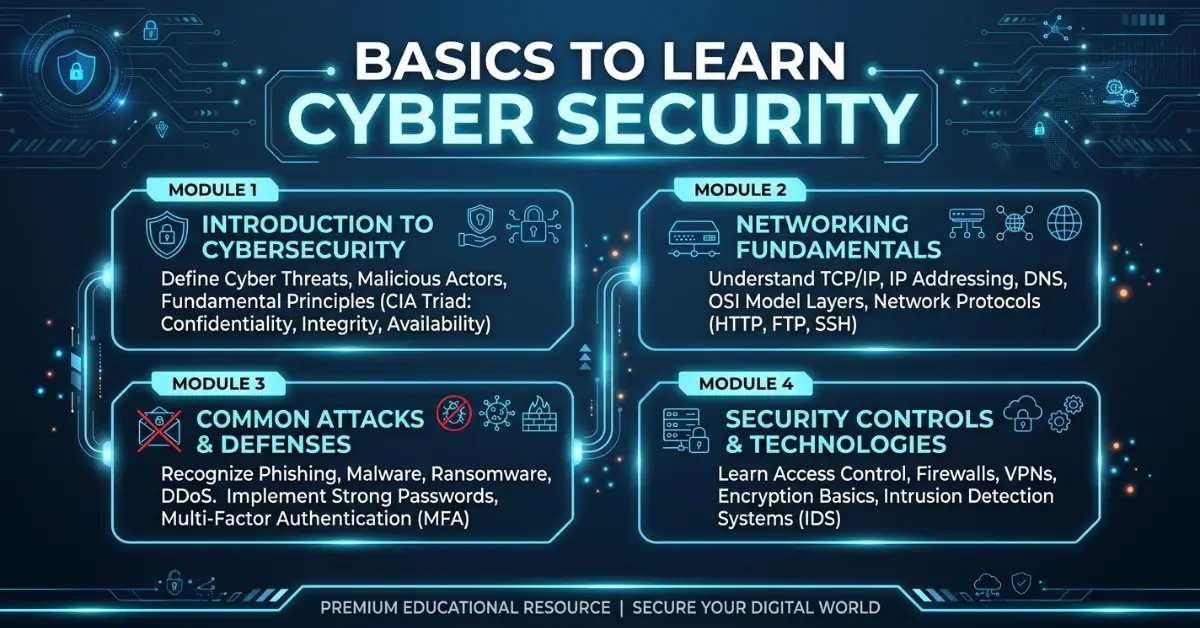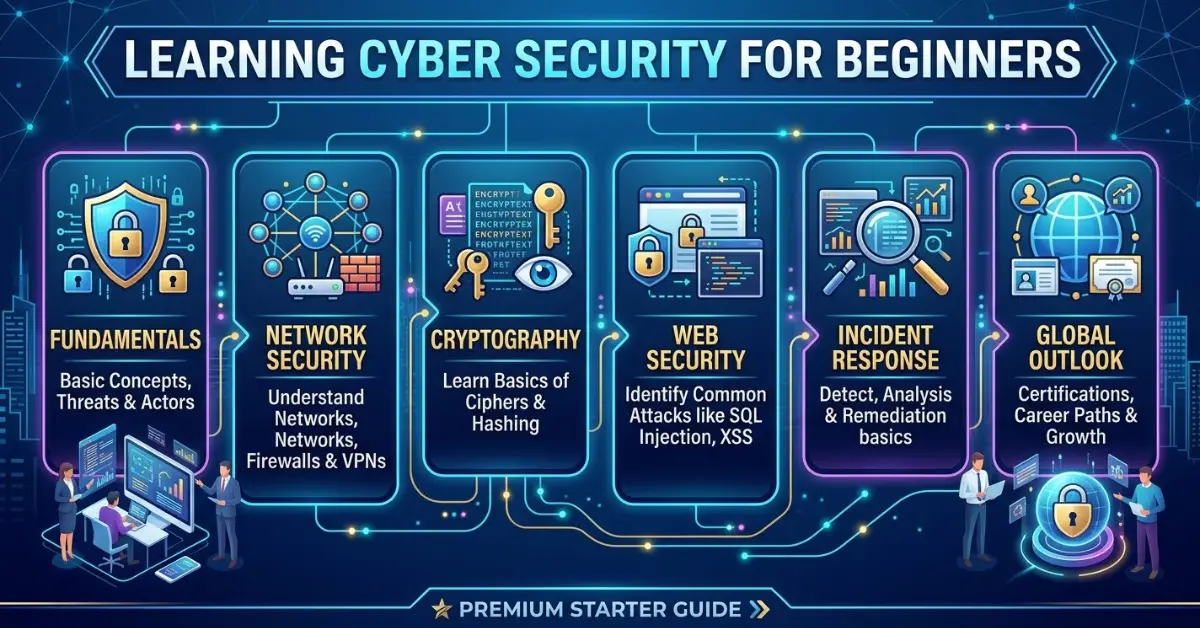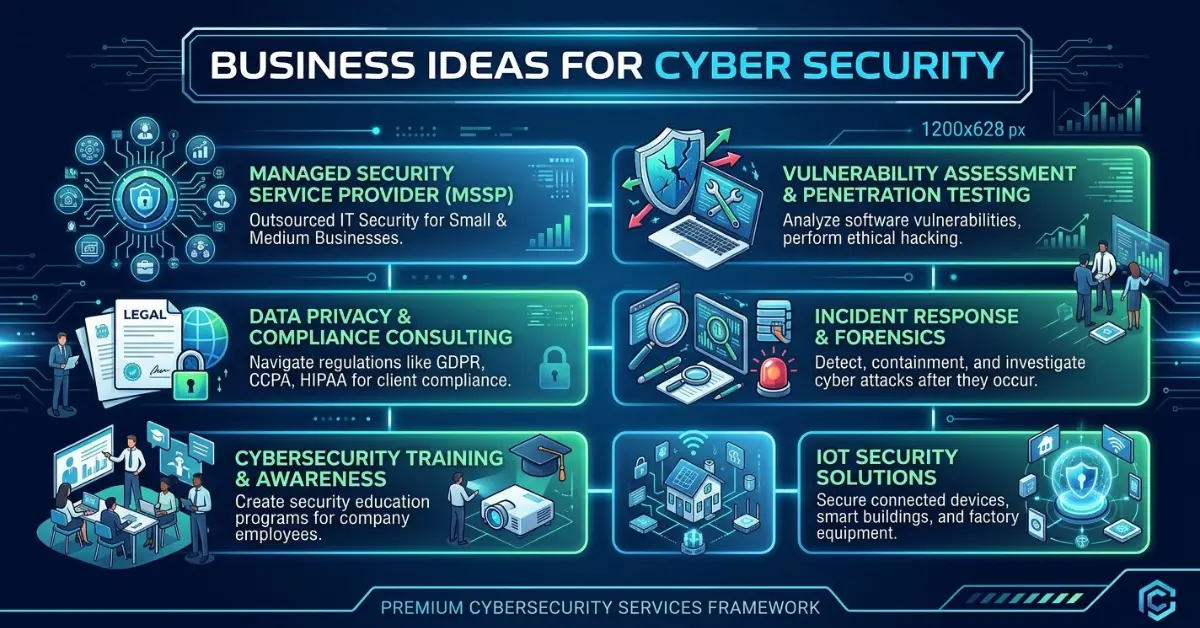
Business Ideas for Cyber Security, Are becoming more popular as businesses and people need better ways to protect their data and computers from online threats. Many companies need help keeping their websites, networks, and private information safe. This creates new business opportunities for people who have cyber security skills. You can start with simple services, such as website protection or security training, and grow your business over time. We will explore the best cyber security business ideas, the skills you need, startup costs, and simple ways to find your first clients.
Understand the Cyber Security Business Market
The cyber security business market is growing because many companies and people want to protect their computers, websites, and private data from online attacks. Businesses need help to stop hackers, prevent data loss, and keep their systems safe. Understanding this market helps you find customer needs, choose the right services, and build a successful cyber security business.
Choose the Right Cyber Security Business Idea
Choosing the right cyber security business idea depends on your skills, budget, and customer needs.
- Cyber Security Consulting: Help businesses find and fix security problems.
- Website Security: Protect websites from hackers and online threats.
- Cyber Security Training: Teach people how to stay safe online.
- Network Security: Help companies protect their computer networks.
- Data Backup and Recovery: Help businesses save and restore lost data.
- Cloud Security: Protect files and information stored online.
- Security Audits: Check systems to find weaknesses and risks.
- Penetration Testing: Test systems with permission to find security gaps.
Choose a business idea that matches your skills and budget, then build your experience and grow your services step by step.
Learn the Skills and Tools You Need
To start a cyber security business, you need the right skills and tools to protect customers’ computers, websites, and private data.
- Computer Networking: Learn how computers connect and share information.
- Basic Cyber Security: Understand common online threats and ways to prevent them.
- Ethical Hacking: Learn how to find security weaknesses with proper permission.
- Cloud Security: Understand how to protect files and systems stored online.
- Security Tools: Practice using tools such as Wireshark and Nmap in authorized environments.
- Data Protection: Learn how to protect private information and create secure backups.
- Communication Skills: Explain security problems and solutions in simple language.
- Professional Certifications: Consider beginner friendly certifications to build your knowledge and credibility.
Developing the right skills and learning to use security tools safely will help you provide better services and build customer trust.
Create a Simple Cyber Security Business Plan
A simple business plan helps you organize your ideas, manage costs, and understand how to run your cyber security business.
- Choose Your Services: Decide whether you will offer website security, security consulting, or cyber security training.
- Identify Your Customers: Focus on small businesses, online stores, schools, or other organizations that need protection.
- Research Competitors: Learn what other cyber security providers offer and how you can provide better value.
- Calculate Startup Costs: Estimate expenses for tools, training, software, website hosting, and business registration.
- Set Your Prices: Choose fair prices based on your skills, service quality, and customer needs.
- Create Income Goals: Set realistic monthly targets and track your business expenses.
- Build a Marketing Plan: Use a website, social media, and professional networks to reach potential customers.
- Plan for Growth: Decide how you will add new services and attract more clients in the future.
A clear business plan gives your cyber security business direction and helps you make better decisions as your business grows.Set Up Your Cyber Security Business Legally
Set Up Your Cyber Security Business Legally
Setting up your cyber security business legally helps you build trust and avoid legal problems.
- Choose a Business Structure: Select a suitable structure for your business.
- Register Your Business: Complete the required registration in your country.
- Prepare Client Contracts: Clearly explain your services, prices, and responsibilities.
- Protect Customer Data: Keep client information private and secure.
- Follow Privacy Laws: Understand the rules for handling and storing personal data.
- Get Insurance: Consider professional insurance to help manage business risks.
Following legal requirements helps protect your business, build customer trust, and create a strong foundation for future growth.
Manage and Grow Your Business
Managing and growing a cyber security business requires good planning, customer care, and regular learning. Follow these simple steps to improve your business over time.
- Use Management Tools: Organize customer details, tasks, and project deadlines with suitable software.
- Provide Quality Services: Complete security work carefully and deliver clear reports to clients.
- Build Customer Relationships: Answer questions politely and provide helpful support.
- Offer Monthly Plans: Provide regular security checks and updates to create steady income.
- Improve Your Skills: Learn about new cyber threats, security tools, and protection methods.
- Hire Skilled Workers: Work with qualified professionals when your business grows.
- Promote Your Services: Use your website, social media, and professional networks to reach new customers.
Good management, strong customer relationships, and continuous learning can help your cyber security business grow successfully.
Common Faqs About Business Ideas for Cyber Security
Some Faqs of Business Ideas for Cyber Security:
How Can I Start a Cyber Security Business From Home?
You can start from home by offering online security consulting, employee training, or website security services. Use a computer, a secure internet connection, and the skills needed to serve your customers.
Which Industries Need Cyber Security Services the Most?
Industries such as healthcare, banking, education, e-commerce, and finance need strong cyber security because they handle private information and important digital records.
Can I Run a Cyber Security Business Without Hiring Employees?
Yes, you can run a small cyber security business alone if you have the right skills and manage your workload carefully. You can also work with trusted professionals when a project requires extra support.
How Can I Show Customers That My Cyber Security Services Are Reliable?
You can build trust by sharing relevant certifications, providing sample reports with no private data, explaining your work clearly, and following safe security practices.
What Problems Can a Cyber Security Business Solve?
A cyber security business can help customers reduce phishing risks, secure user accounts, protect sensitive files, identify software weaknesses, and improve their response to security incidents.
How Can I Keep My Cyber Security Knowledge Up to Date?
Follow trusted security news, study new attack methods, attend online workshops, and practice in legal training labs. Regular learning helps you understand changing digital risks.
What Should I Include in a Cyber Security Service Agreement?
A service agreement should explain the work, payment terms, project deadlines, confidentiality rules, testing permissions, and each party’s responsibilities. It should also describe what is not included.
How Can I Make My Cyber Security Business Different From Competitors?
Focus on a specific customer group, provide easy-to-understand security advice, respond quickly to questions, and offer clear reports with practical steps customers can follow.
Conclusion
Starting a cyber security business can be a great opportunity for people who want to use their technical skills to solve real problems. As more companies depend on computers, websites, and online services, the need for better digital protection continues to grow. Choose a business idea that matches your knowledge, serve your customers honestly, and keep learning about new security threats. Start with small projects, build a good reputation, and improve your services over time. With patience, careful planning, and a strong focus on customer needs, you can build a successful cyber security business.