How to Join Cyber Security, is a common question for people who want to build a career in the growing world of technology. Cyber security is the field of protecting computers, networks, websites and personal information from online attacks. The good news is that you do not need to be an expert to get started. Anyone can begin by learning basic computer skills, understanding networks, practicing security tools and building useful knowledge step by step.
What Is Cyber Security?
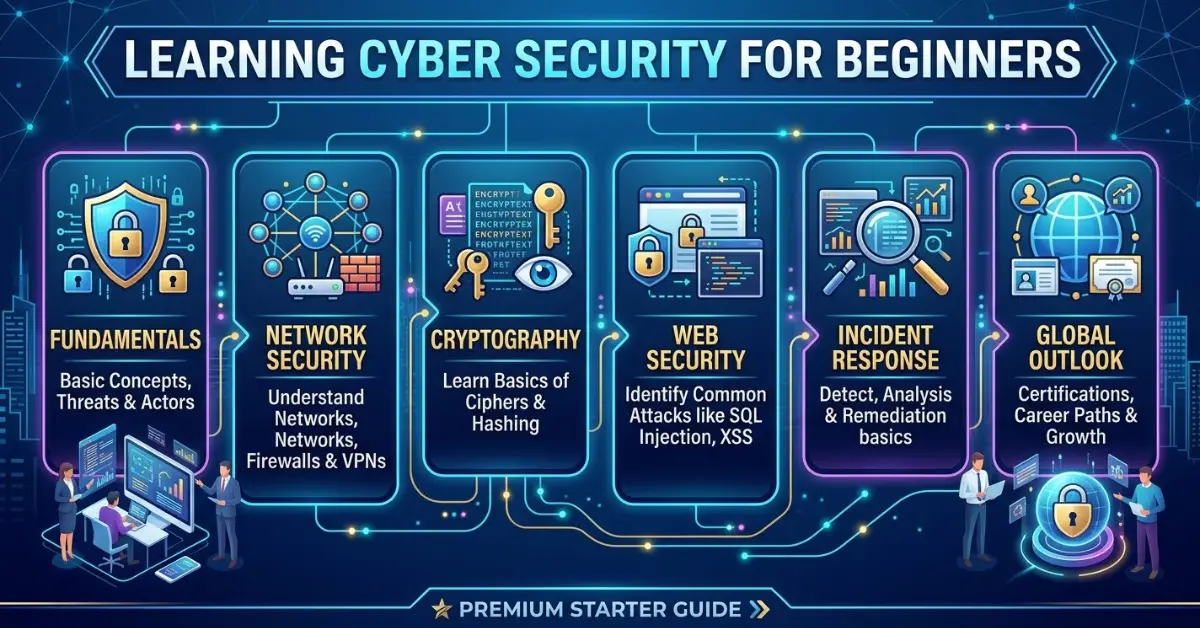
Cyber security is the practice of protecting computers, mobile devices, networks, websites and personal information from online attacks. It helps keep important data safe from hackers, viruses and other digital threats. For example, cyber security protects your email accounts, bank details, passwords and private files from people who want to steal or damage them. It uses different tools rules, and safety methods to prevent online risks.
What Are the Different Career Paths in Cyber Security?
Cyber security offers several career opportunities for pople interested in protecting systems, networks and data.
- Cyber Security Analyst: Monitors systems and detects security threats.
- Ethical Hacker: Finds security weaknesses to prevent cyberattacks.
- Penetration Tester: Tests networks and applications for vulnerabilities.
- Security Engineer: Builds and maintains security systems.
- Incident Response Analyst: Investigates and responds to cyberattacks.
The right career path depends on your skills, interests and professional goals.
Learn the Basic Computer Skills
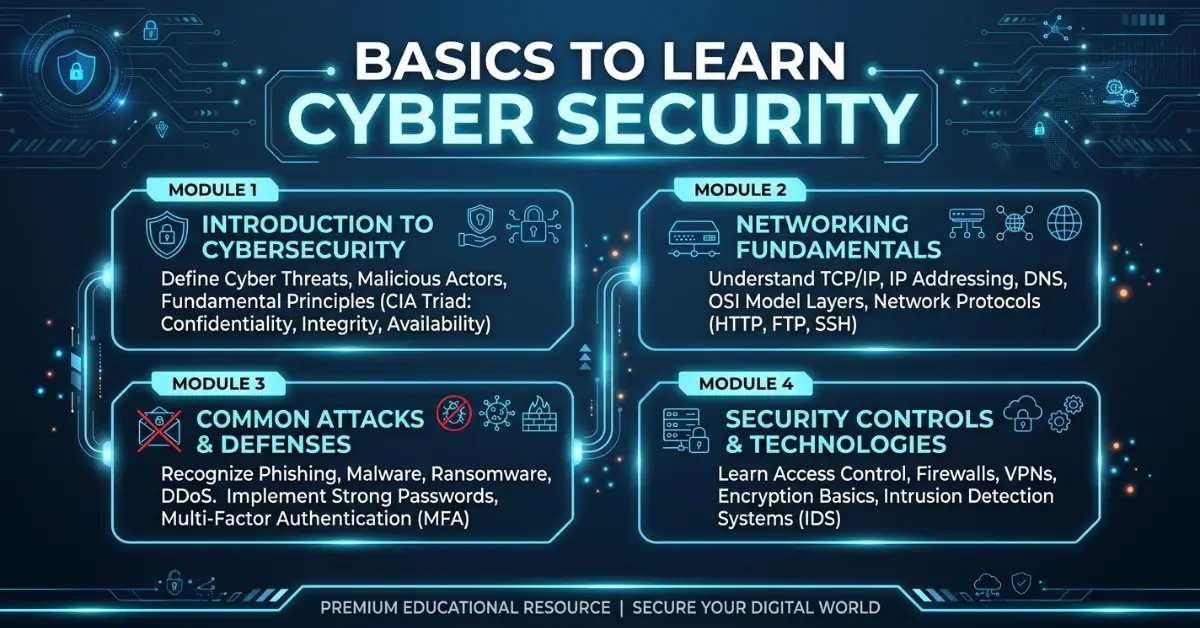
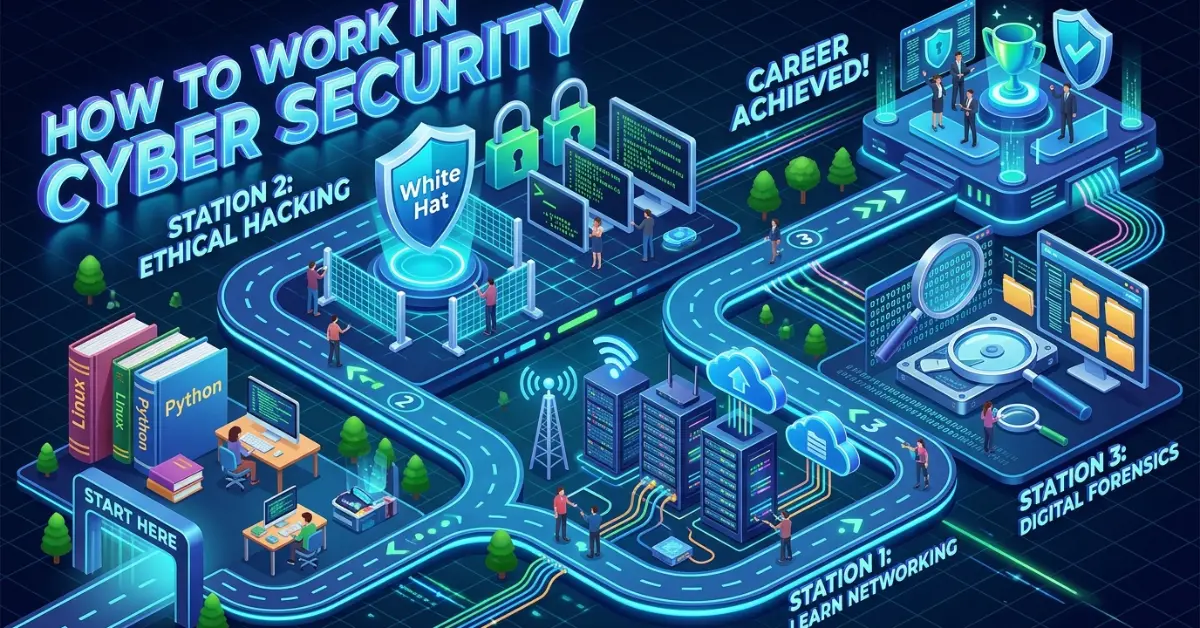
Before entering cyber security, you need to understand some basic computer skills. These skills will help you learn security tools and protect computer systems.
- Computer Basics: Learn how computers work and how to use them.
- Operating Systems: Understand Windows, Linux and their basic features.
- Hardware and Software: Learn about computer parts and programs.
- File Management: Know how to create, save, copy and manage files.
- Command Line: Practice basic commands to control a computer.
- Internet Basics: Understand how websites and online services work.
Basic computer skills give you a strong foundation and make it easier to learn cyber security.
Build a Strong Foundation in Networking
Networking helps you understand how computers connect and share information. It is an important skill for starting a career in cyber security.
- IP Addresses: Learn how devices are identified on a network.
- DNS: Understand how website names connect to IP addresses.
- TCP and UDP: Learn how data moves between devices.
- HTTP and HTTPS: Understand how websites communicate.
- Routers and Switches: Learn how networks connect devices.
- Firewalls: Understand how firewalls protect networks.
Strong networking knowledge helps you understand online attacks and protect computer networks.
Linux and Windows Operating Systems
Linux and Windows are important operating systems in cyber security.
- Windows Basics: Learn how to use Windows and manage its settings.
- Linux Basics: Understand Linux and its main features.
- Linux Commands: Practice simple commands to manage files and folders.
- Kali Linux: Learn how to use this system for security testing.
- File Permissions: Understand how to control access to files.
- System Security: Learn how to protect operating systems from threats.
Learning Linux and Windows builds important skills for a cyber security career.
Learn Programming and Scripting
Programming helps you understand how software works and how to find security problems.
- Python: Learn basic Python to write simple security scripts.
- HTML and CSS: Understand how websites are created.
- JavaScript: Learn how websites use code to perform actions.
- Bash: Practice writing commands for Linux systems.
- PowerShell: Learn how to manage Windows tasks.
- Basic Coding: Practice writing and understanding simple programs.
Programming and scripting skills help you solve problems and work better in cyber security.
The Main Areas of Cyber Security
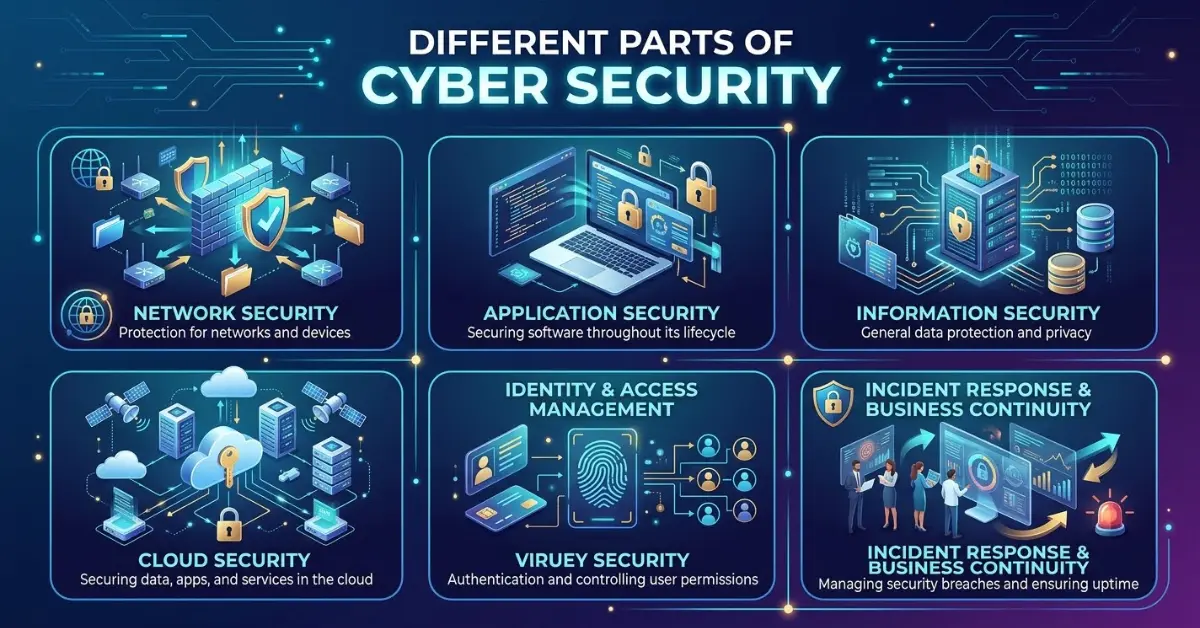
Cyber security has different areas and each one protects computers, networks and data in a special way.
- Network Security: Protects computer networks from online attacks.
- Ethical Hacking: Finds security weaknesses with proper permission.
- Application Security: Keeps websites and software safe.
- Cloud Security: Protects data stored in cloud services.
- Digital Forensics: Helps investigate cyber attacks and collect digital evidence.
- Information Security: Protects private and important information.
- Security Operations Center (SOC): Monitors systems and responds to security threats.
These areas helps you choose the right cyber security career path.
The Main Cyber Security Tools
Cyber security tools help you find security problems, check networks and protect computer systems.
- Wireshark: Helps you check network traffic.
- Nmap: Scans networks and finds connected devices.
- Burp Suite: Tests website security.
- Metasploit: Helps test system weaknesses.
- Nessus: Finds security problems in computer systems.
- Splunk: Monitors security events and detects threats.
Learning these tools helps you build practical skills and work in cyber security.
Practice Cyber Security in Safe Environments
Practical experience helps you improve your cyber security skills and understand real security problems.
- Set Up a Home Lab: Create a safe place to practice security skills.
- Try TryHackMe: Complete beginner-friendly cyber security lessons.
- Use Hack The Box: Practice solving security challenges.
- Learn Through Challenges: Test your knowledge with simple exercises.
- Follow Safety Rules: Practice only on systems you own or have permission to test.
Regular practice helps you gain confidence and become better at cyber security.
How to Get Your First Cyber Security Job
Getting your first cyber security job requires practical skills, knowledge, and preparation.
- Build a Portfolio: Showcase your cyber security projects and skills.
- Gain Experience: Apply for internships and entry-level positions.
- Earn Certifications: Complete beginner-friendly cyber security certifications.
- Create a Resume: Highlight your technical skills and training.
- Prepare for Interviews: Practice common cyber security questions.
With consistent learning and practical experience, you can start your career in cyber security.
Common FAQs About How to Join Cyber Security
Here are some faqs of How to Join Cyber Security:
Is Cyber Security a Good Career Choice?
Yes, cyber security is a good career choice because many companies need experts to protect their systems and private information. It also offers different job roles and opportunities for career growth.
Can I Study Cyber Security Online?
Yes, you can study cyber security online through courses, video lessons, tutorials and training websites. Many online resources offer lessons for beginners.
What Is the Difference Between Cyber Security and Ethical Hacking?
Cyber security focuses on protecting digital systems from threats, while ethical hacking involves testing systems with permission to find security weaknesses.
Do Cyber Security Professionals Work From Home?
Yes, some cyber security professionals work remotely. They can monitor networks, check security reports, and protect systems from different locations.
Which Industries Hire Cyber Security Professionals?
Banks, hospitals, schools, government offices, technology companies, and online businesses hire cyber security professionals to protect their digital information.
What Are the Daily Tasks of a Cyber Security Professional?
Their daily tasks may include checking security alerts, reviewing reports, investigating suspicious activity, updating security systems, and helping prevent cyber attacks.
Is Mathematics Important for Cyber Security?
Basic mathematics is useful for understanding some technical topics, but you do not need advanced mathematics for every cyber security job. Problem-solving and logical thinking are also important.
Can I Change My Career to Cyber Security Later in Life?
Yes, people from different educational and professional backgrounds can move into cyber security. They can start by learning the required skills and gaining practical experience.
Conclusion
How to Join Cyber Security is an important question for anyone who wants to build a future in the technology field. You can start this journey by learning computer basics, networking, programming and important security tools. Practice regularly, improve your knowledge and gain experience through safe training platforms. Remember, you do not need to learn everything in one day. Start with small steps, stay consistent and keep improving your skills.