Learning How to Work in Cyber Security, Is a great way to build a career in the digital world. Cyber security experts help protect computers, networks, websites, and personal information from hackers and online threats. You do not need to know everything before you start. With basic computer skills, regular practice, and a clear learning plan, beginners can develop the knowledge needed for this field. You will learn how cyber security works, which skills you need, what tools to practice with, and how to prepare for your first cyber security job.
Understand Networks and Internet Security
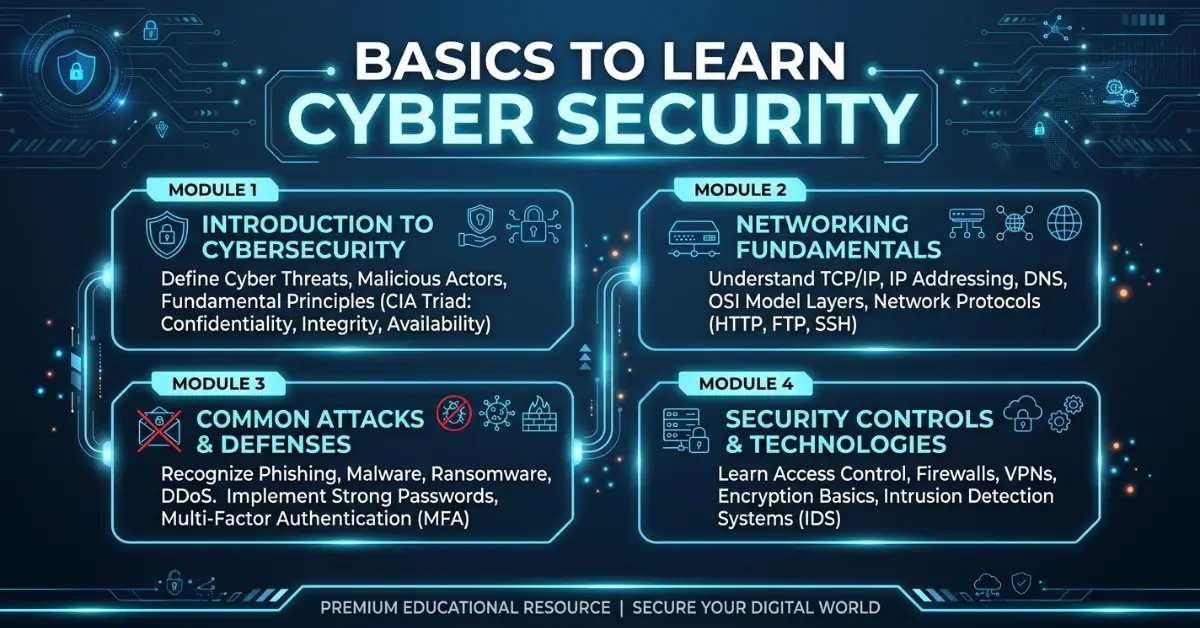
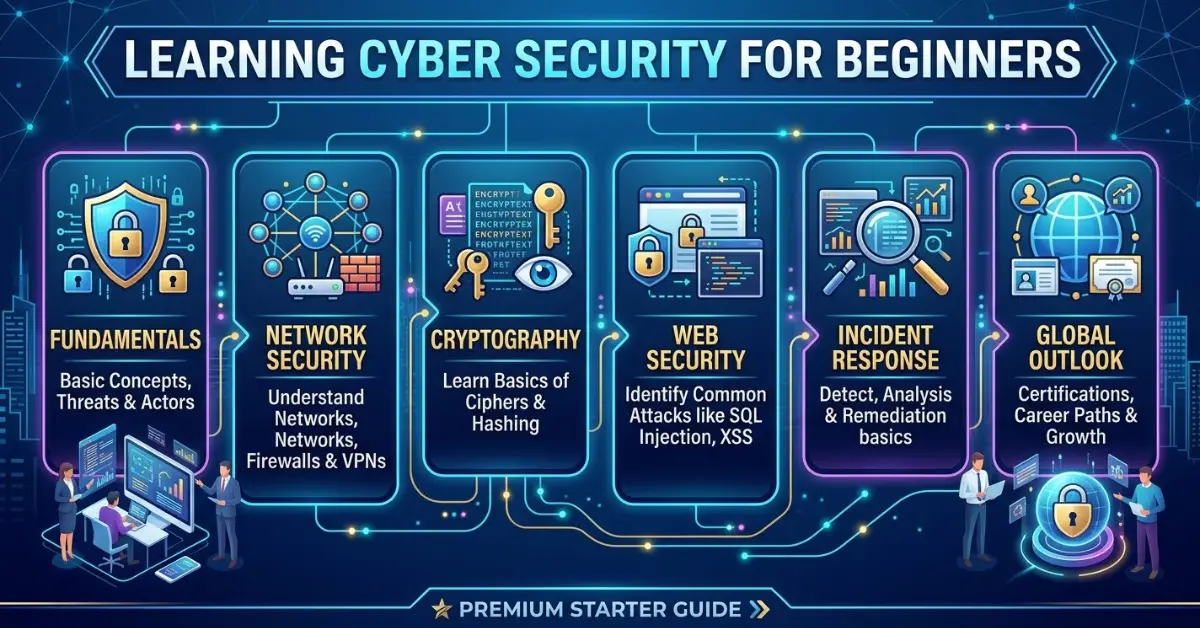
Understanding networks and internet security is an important step when learning how to work in cyber security. A computer network connects two or more devices so they can share information and resources. The internet is a large network that connects computers and devices around the world. Beginners should learn basic concepts such as IP addresses, DNS, ports, and data transfer. An IP address helps identify a device on a network, while DNS helps translate website names into IP addresses. Ports allow different services to communicate with devices, and firewalls help block unwanted network traffic.
Learn the Main Cyber Security Concepts
Learning the main cyber security concepts helps you understand how to protect computers, networks, and personal information from online threats. Start by learning about common risks, such as malware, phishing, ransomware, and unauthorized access. Malware is harmful software that can damage a computer or steal information, while phishing tricks people into sharing private details through fake emails or websites. You should also understand the importance of strong passwords, multi-factor authentication, and encryption. Strong passwords make accounts harder to access, multi-factor authentication adds an extra layer of protection, and encryption helps keep information private.
Choose Your Cyber Security Career Path
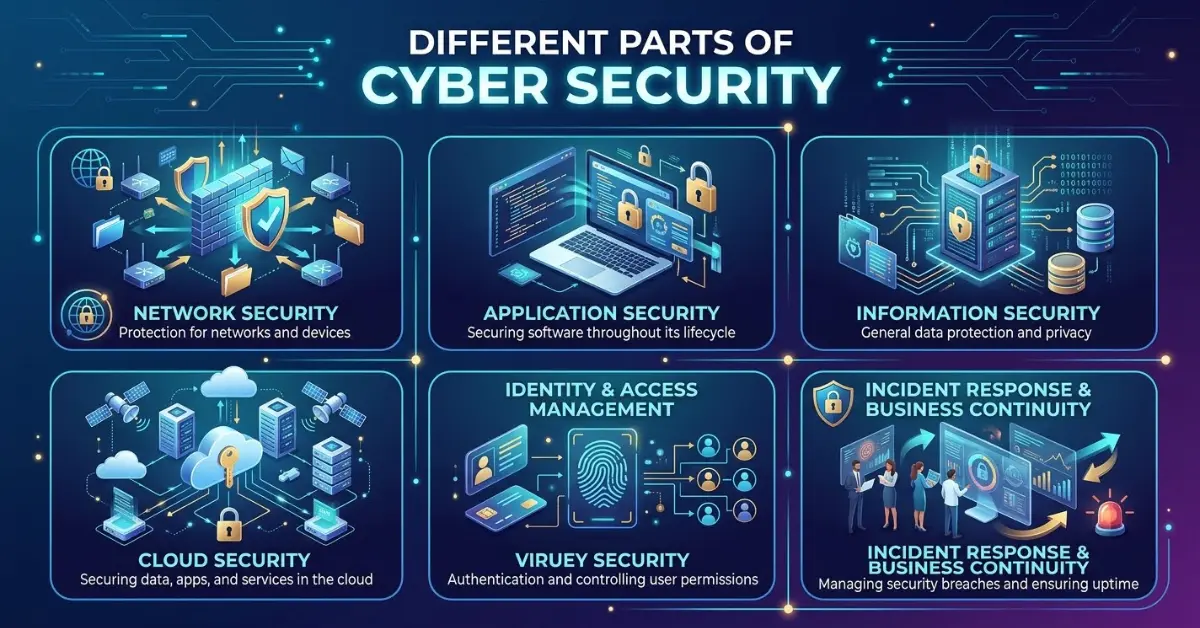
Choosing the right cyber security career path helps you focus on the skills and knowledge you need for your future job. There are several roles you can explore based on your interests and strengths.
- Security Analyst: Monitors computer systems, checks security alerts, and helps protect organizations from cyber threats.
- Penetration Tester: Tests computer systems and websites for security weaknesses with proper permission.
- Security Engineer: Builds and maintains security systems to protect networks, computers, and sensitive data.
- Incident Response Specialist: Investigates security incidents and helps organizations stop attacks and recover safely.
- Cloud Security Specialist: Protects online services, cloud platforms, and the data stored in them.
- Digital Forensics Analyst: Examines digital evidence to understand how a cyberattack or security incident happened.
- Security Auditor: Reviews security policies and systems to identify weaknesses and check whether security rules are being followed.
Choose a career path that matches your interests, then develop the relevant skills through regular practice and hands-on projects.
Practice With Cyber Security Tools
Practicing with cyber security tools helps you understand how security professionals find threats and protect computer systems.
- Wireshark: Helps you study network traffic and understand how data moves between devices.
- Nmap: Helps identify devices and open ports on networks you are authorized to test.
- Linux Tools: Help you manage systems, check files, and perform basic security tasks.
- SIEM Tools: Help collect security alerts and detect unusual activity.
- Virtual Labs: Provide a safe environment to practice security skills without affecting real systems.
Practice these tools regularly in a legal and safe environment to improve your cyber security skills.
Build Practical Experience in a Safe Lab
Practicing in a safe lab helps beginners improve their cyber security skills without putting real systems at risk.
- Set Up a Virtual Lab: Use virtual machines to practice security tasks on your own computer.
- Use Legal Training Platforms: Practice on beginner-friendly platforms such as TryHackMe and Hack The Box Academy.
- Test Security Weaknesses: Learn how to find and fix basic security problems in authorized lab environments.
- Practice Network Analysis: Study network traffic to understand how devices communicate.
- Write Practice Reports: Record what you learn, the problems you find, and how you solve them.
Regular practice in a safe lab builds confidence and prepares you for real-world cyber security tasks.
Earn Beginner Friendly Cyber Security Certifications
Cyber security certifications help you learn important security skills and show employers that you understand the basics of protecting computer systems.
- CompTIA Security+: Learn about network security, common threats, and ways to protect data.
- ISC2 Certified in Cybersecurity (CC): Build a basic understanding of security principles and risk management.
- Cisco Cybersecurity Certifications: Learn about network protection, security monitoring, and common cyber threats.
- Google Cybersecurity Certificate: Develop beginner level skills through practical lessons and security activities.
- Choose the Right Certification: Compare the cost, learning requirements, and career goals before selecting a course or certification.
Start with a beginner friendly certification that fits your budget and learning goals, then use practical projects to strengthen your knowledge.
Build a Cyber Security Portfolio
A cyber security portfolio shows employers the skills you have learned and the projects you have completed.
- Document Your Projects: Explain the security tasks you completed and what you learned from them.
- Create Sample Security Reports: Show how you identify security problems and suggest solutions.
- Share Simple Scripts: Include useful Python scripts or small tools you created for learning.
- Use GitHub: Store and organize your code, project files, and learning notes in one place.
- Protect Private Information: Never share passwords, personal data, or confidential information in your portfolio.
A well organized portfolio helps you demonstrate your practical skills and build confidence when applying for cyber security jobs.
Prepare for Your First Cyber Security Job
Getting your first cyber security job becomes easier when you have the right skills, practical experience, and a well-prepared resume.
- Create a Strong Resume: Highlight your computer skills, certifications, training, and practical projects.
- Practice Interview Questions: Prepare for basic questions about networks, security threats, and common tools.
- Apply for Entry-Level Jobs: Look for junior security analyst roles, internships, and IT support positions.
- Improve Communication Skills: Learn to explain technical problems in simple and clear English.
- Build Professional Connections: Connect with cyber security professionals through LinkedIn and online communities.
- Keep Learning: Follow new security trends and practice regularly to improve your knowledge.
Start with entry level opportunities, showcase your skills, and keep practicing to build a successful career in cyber security.
Common FAQs About How to Work in Cyber Security
Here are Some Faqs of How to Work in Cyber Security:
Can I work in cyber security from home?
Yes, many cyber security jobs offer remote work. Some companies hire remote security analysts, security engineers, and cloud security specialists. However, remote work depends on the employer and the job requirements.
Is a university degree necessary for a cyber security career?
No, a university degree is not always required. Some employers accept candidates with relevant certifications, practical skills, and experience. However, certain positions may require a degree in computer science or a related field.
What is the difference between cyber security and ethical hacking?
Cyber security covers the protection of computers, networks, and data from digital threats. Ethical hacking is one part of this field that involves testing systems with permission to find security weaknesses before criminals can exploit them.
Which operating system should I learn for cyber security?
Linux is a useful operating system to learn because many security tools run on it. You should also understand Windows, as many organizations use it for their daily operations and business networks.
How can I stay updated about new cyber threats?
You can follow trusted security news websites, read security advisories, and explore reports from organizations such as CISA and the National Institute of Standards and Technology (NIST).
What soft skills are important in cyber security?
Problem solving, clear communication, teamwork, attention to detail, and time management are valuable skills. Cyber security professionals often need to explain technical risks to people who do not have a technical background.
Can I specialize in cyber security after working in IT support?
Yes, IT support can provide useful experience with operating systems, user accounts, networks, and troubleshooting. You can build on this knowledge by studying security principles and applying for junior security roles.
What ethical rules should cyber security professionals follow?
Cyber security professionals must respect privacy, follow applicable laws, and obtain clear permission before testing systems. They should protect confidential information, report security weaknesses responsibly, and never access data or systems without authorization.
Conclusion
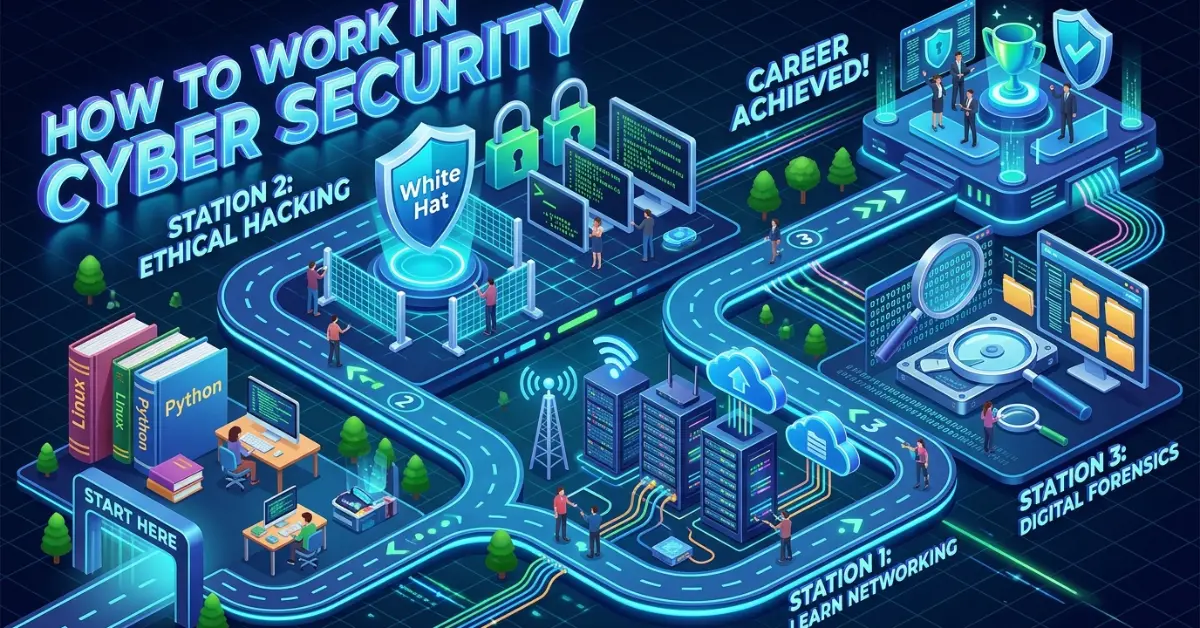
Learning how to work in cyber security is a valuable step toward building a career in the digital world. You can begin by understanding computer systems, learning networking basics, and developing knowledge of common security threats. As you progress, practice using security tools, complete hands-on projects, and explore the career path that matches your interests. You do not need to learn everything in one day. Focus on small goals, keep improving your skills, and stay updated on new security risks. With patience, regular practice, and a commitment to ethical work, you can prepare yourself for entry level opportunities and grow into a skilled cyber security professional.