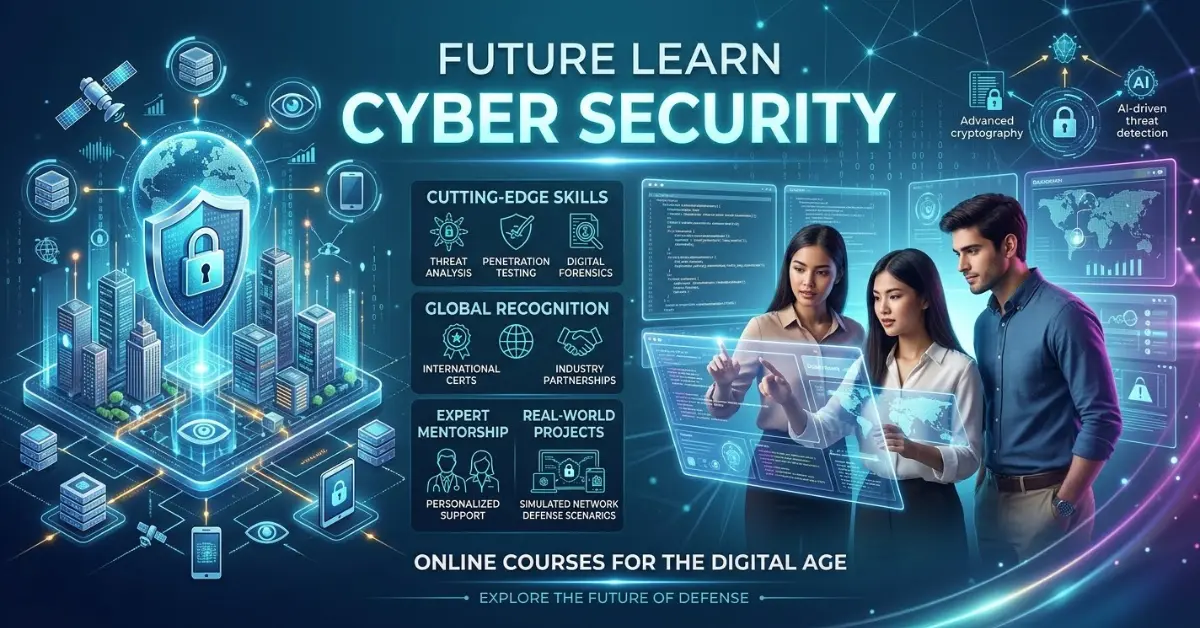
Future Learn Cyber Security, is a great topic for anyone who wants to learn how to stay safe online and protect personal information. Cyber security helps protect computers, mobile phones, websites, and online accounts from hackers and digital threats. FutureLearn offers online courses that help beginners understand these risks and learn basic security skills. You can explore topics such as strong passwords, online scams, data protection, and network safety. You will learn about FutureLearn cyber security courses, their benefits, learning options, and how to start building your cyber security knowledge step by step.
What Is Cyber Security?
Cyber security is the practice of protecting computers, mobile phones, networks, websites, and personal information from hackers, viruses, and online attacks. It helps keep our digital information safe when we use the internet, send emails, shop online, or access social media. For example, using a strong password and two-factor authentication can help protect your online accounts. Cyber security also helps businesses protect their important files and customer information. Learning these basic skills through Future Learn Cyber Security courses can help beginners understand online risks and learn how to stay safe in the digital world.
What Can You Learn in FutureLearn Cyber Security Courses?
FutureLearn cyber security courses help learners understand how to protect their computers, online accounts, and personal information from digital threats.
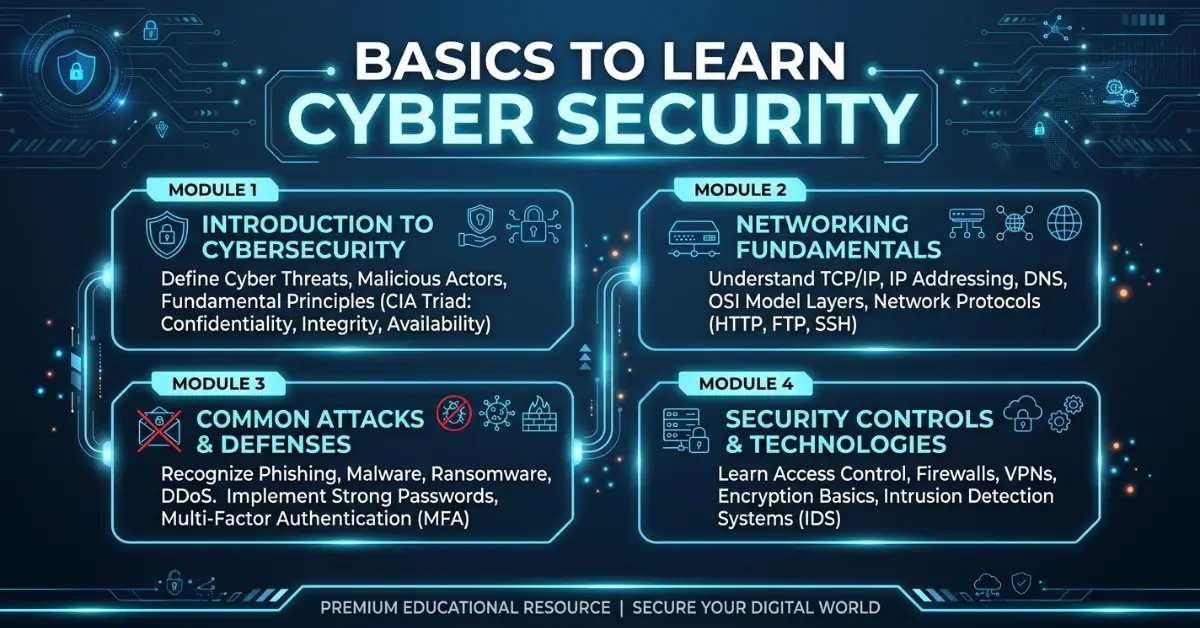
- Online Safety: Learn how to protect your personal information when using websites, apps, and social media.
- Phishing Attacks: Understand how to recognize fake emails, messages, and links that try to steal your information.
- Password Security: Learn how to create strong passwords and use two-factor authentication to protect your accounts.
- Malware Protection: Discover how harmful software can damage devices or steal private data.
- Network Security: Understand how computer networks are protected from unauthorized access.
- Data Protection: Learn why personal and business information must be stored and shared safely.
- Risk Management: Understand how to identify security risks and take steps to reduce them.
By studying these topics, beginners can develop a better understanding of cyber security and learn practical ways to protect themselves online.
Best FutureLearn Cyber Security Course for Beginners
FutureLearn offers online courses that help beginners understand cyber security and learn how to stay safe online. Here are some key things to look for in a beginner friendly course:
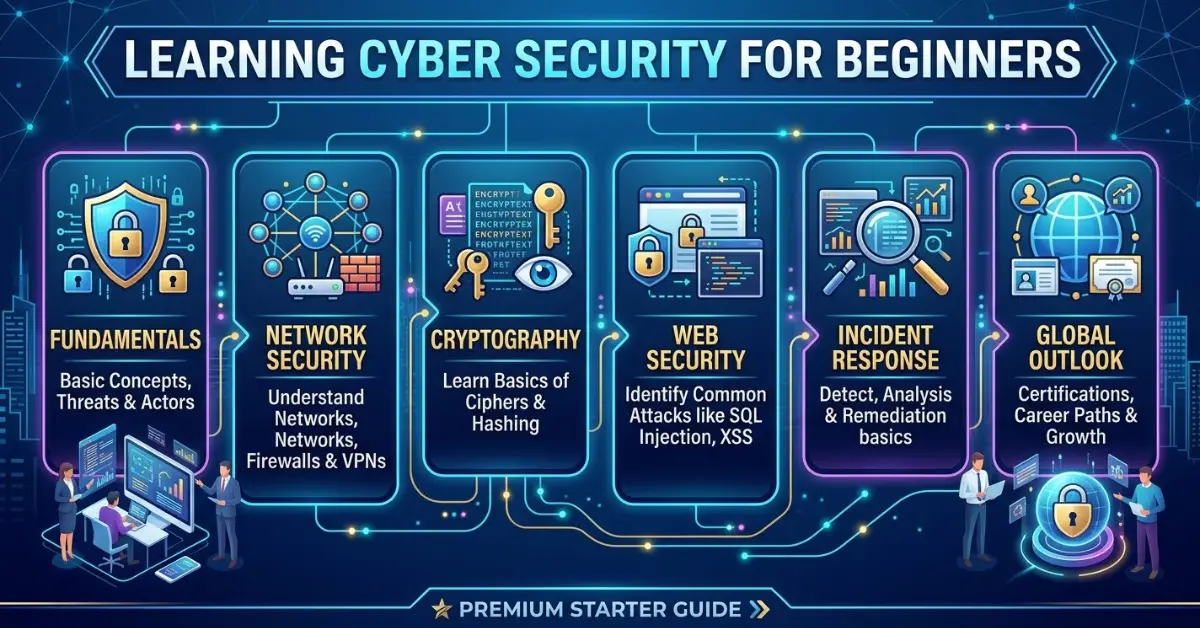
- Introduction to Cyber Security: Learn the basic ideas behind online security and digital safety.
- Understanding Online Threats: Discover how hackers, malware, and phishing attacks can cause harm.
- Password Protection: Learn how to create strong passwords and protect online accounts.
- Network Security Basics: Understand how computer networks and data can be protected.
- Practical Learning: Explore activities that help you understand common security risks.
Choose a course that matches your skill level, learning goals, and budget to build a strong foundation in cyber security.
Key Skills You Can Gain from Cyber Security Training
Cyber security training helps beginners learn important skills to protect computers, online accounts, and personal information.
- Threat Detection: Learn to identify viruses, hackers, and online scams.
- Password Security: Create strong passwords and protect your accounts.
- Network Protection: Understand how to keep computer networks safe.
- Data Protection: Learn how to keep private information secure.
- Phishing Detection: Recognize fake emails, messages, and harmful links.
- Problem Solving: Learn how to identify security problems and find suitable solutions.
- Risk Management: Understand how to reduce online security risks.
These skills can help you stay safer online and build a strong foundation for further cyber security learning.
How to Start Learning Cyber Security on FutureLearn
You can start learning cyber security on FutureLearn by following a few simple steps, even if you have no previous experience.
- Visit the Website: Go to the FutureLearn official website.
- Search for Courses: Type “Cyber Security” in the search bar.
- Choose a Course: Select a beginner-friendly course that matches your learning goals.
- Check Course Details: Review the topics, study time, price, and certificate options.
- Create an Account: Sign up or log in to your FutureLearn account.
- Enroll in the Course: Follow the enrollment instructions shown on the course page.
- Start Learning: Read lessons, watch videos, and complete available activities.
- Review Your Progress: Practice what you learn and finish the course activities.
By following these steps, you can begin your cyber security learning journey and gradually improve your online safety skills.
Practical Ways to Practice Cyber Security Skills
Practicing cyber security skills helps you understand online threats and learn how to protect your devices and personal information.
- Use Strong Passwords: Create unique passwords for your online accounts.
- Enable Two-Factor Authentication: Add an extra layer of protection to your accounts.
- Recognize Phishing Emails: Learn to identify fake messages and suspicious links.
- Update Your Software: Keep your operating system, apps, and security tools updated.
- Secure Your Wi-Fi: Use a strong password and modern security settings for your home network.
- Try Online Security Labs: Practice basic security tasks in legal, beginner friendly training environments.
- Back Up Your Data: Save important files in a secure backup location.
- Learn from Real Examples: Study common cyber attacks to understand how they happen and how to prevent them.
Regular practice helps you build stronger cyber security skills and stay safer in the digital world.
Career Opportunities After Learning Cyber Security
Learning cyber security can help you explore different technology careers and understand how to protect computer systems and online information.
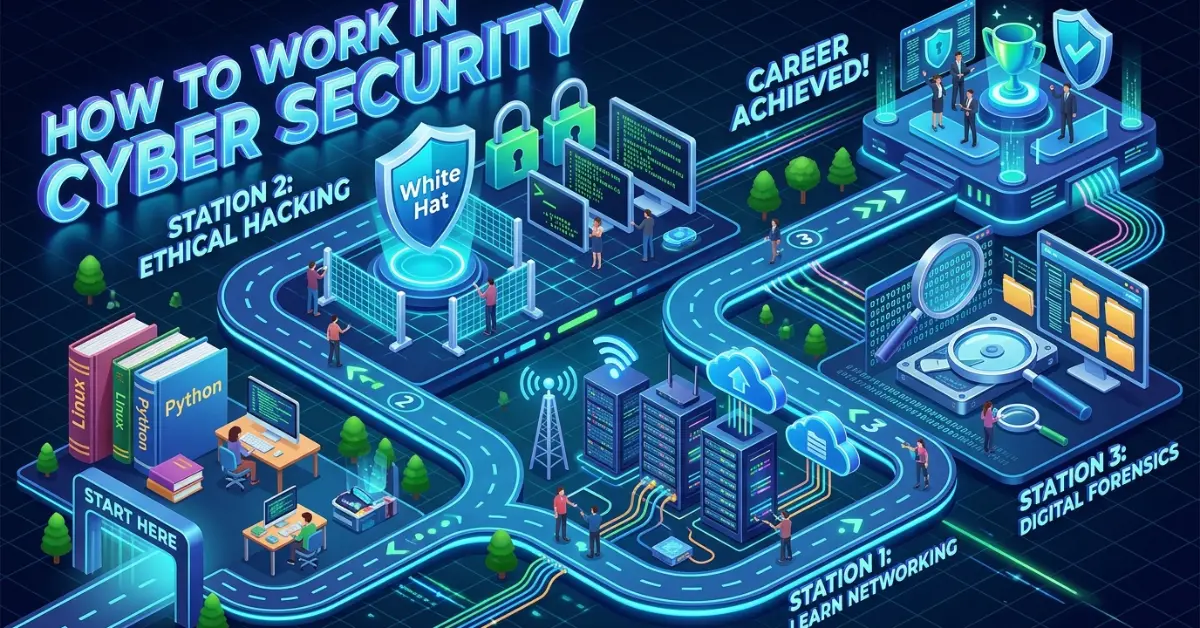
- Cyber Security Analyst: Monitors computer systems and looks for security threats.
- Security Operations Center (SOC) Analyst: Helps detect and respond to cyber attacks.
- IT Support Specialist: Solves computer problems and helps users keep their devices secure.
- Network Security Specialist: Works to protect computer networks from unauthorized access.
- Information Security Assistant: Helps protect private data and follow security rules.
- Penetration Tester: Tests systems with permission to find security weaknesses.
- Security Consultant: Advises organizations on how to improve their security.
FutureLearn courses can help you build basic knowledge, but most cyber security careers also require practical experience and further training.
Common FAQs About Future Learn Cyber Security
Here are Some FAQs of Future Learn Cyber Security:
Do I Need Computer Knowledge Before Studying Cyber Security on FutureLearn?
No, many beginner courses require no advanced computer knowledge. However, basic internet and computer skills can make learning easier.
Can I Learn Cyber Security Using a Mobile Phone?
Yes, you can access many online lessons through a smartphone. However, a laptop or desktop may be more useful for practical exercises.
Do FutureLearn Cyber Security Courses Include Quizzes?
Some courses include quizzes, discussions, and other learning activities. The available features depend on the individual course.
Can I Study Cyber Security While Working Full Time?
Yes, online learning can fit around your work schedule. Check the course deadlines and study requirements before enrolling.
What Is the Difference Between Ethical Hacking and Cyber Security?
Cyber security covers the wider field of protecting digital systems. Ethical hacking is one part of it that involves testing systems with permission to find security weaknesses.
Will I Learn About Artificial Intelligence in Cyber Security Courses?
Some courses may discuss how artificial intelligence helps detect threats or how attackers misuse AI. However, this topic is not included in every introductory course.
Can Students Add a FutureLearn Course to Their CV?
Yes, students can list relevant completed courses on their CV. They should clearly state the course name and provider without suggesting that a short course is a professional qualification.
How Can I Continue Learning After a FutureLearn Course?
You can study more advanced topics, practice in legal cyber security labs, read trusted security guides, and work toward relevant certifications as your skills improve.
Conclusion
Future Learn Cyber Security is a useful starting point for people who want to understand online safety and protect digital information. By exploring suitable courses, learners can discover common cyber threats, improve their security knowledge, and develop useful skills for everyday life. FutureLearn also gives beginners a way to explore cyber security before moving on to more advanced training. However, completing an online course is only the first step. Regular practice, hands-on experience, and continued learning are important for building stronger skills. Start with a course that matches your needs and take small steps toward a safer digital future.