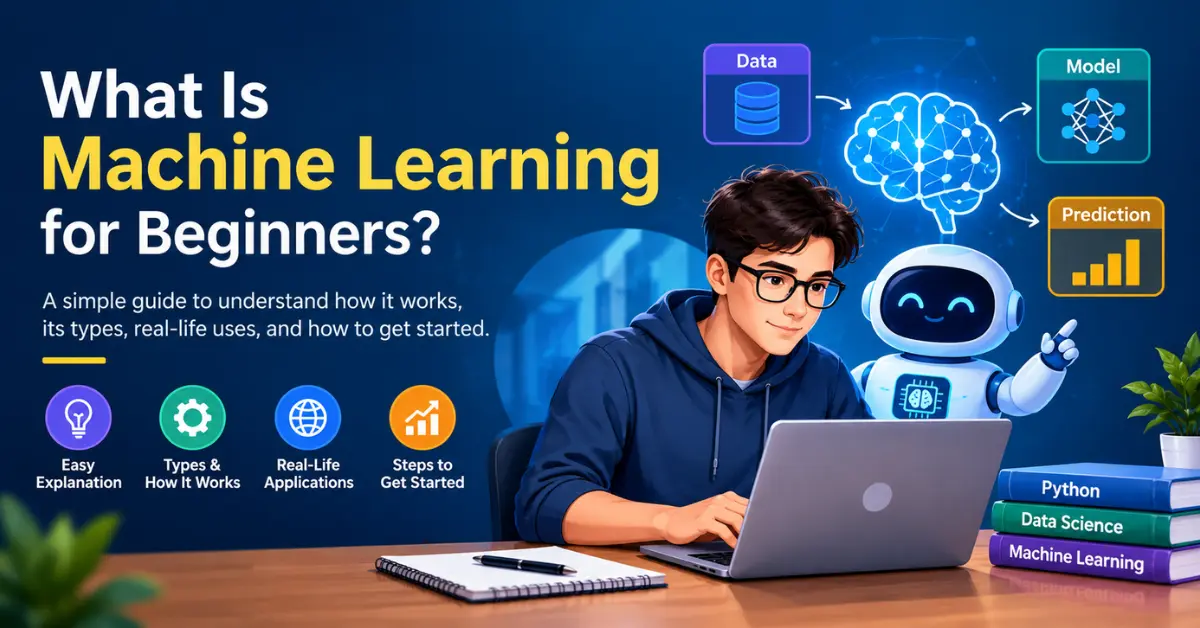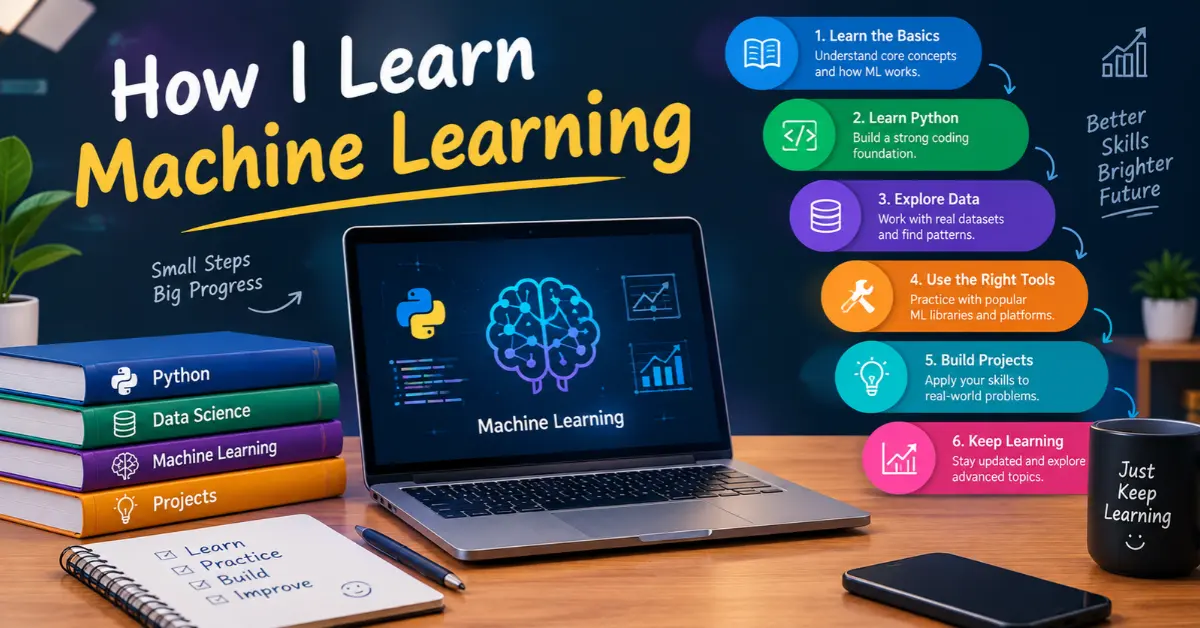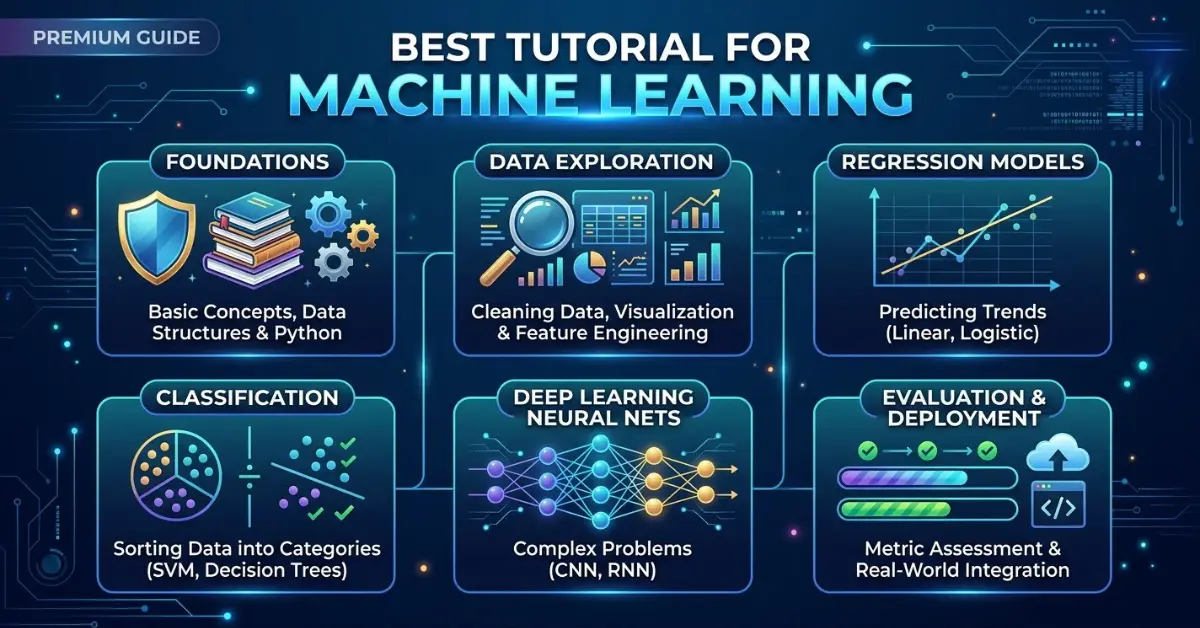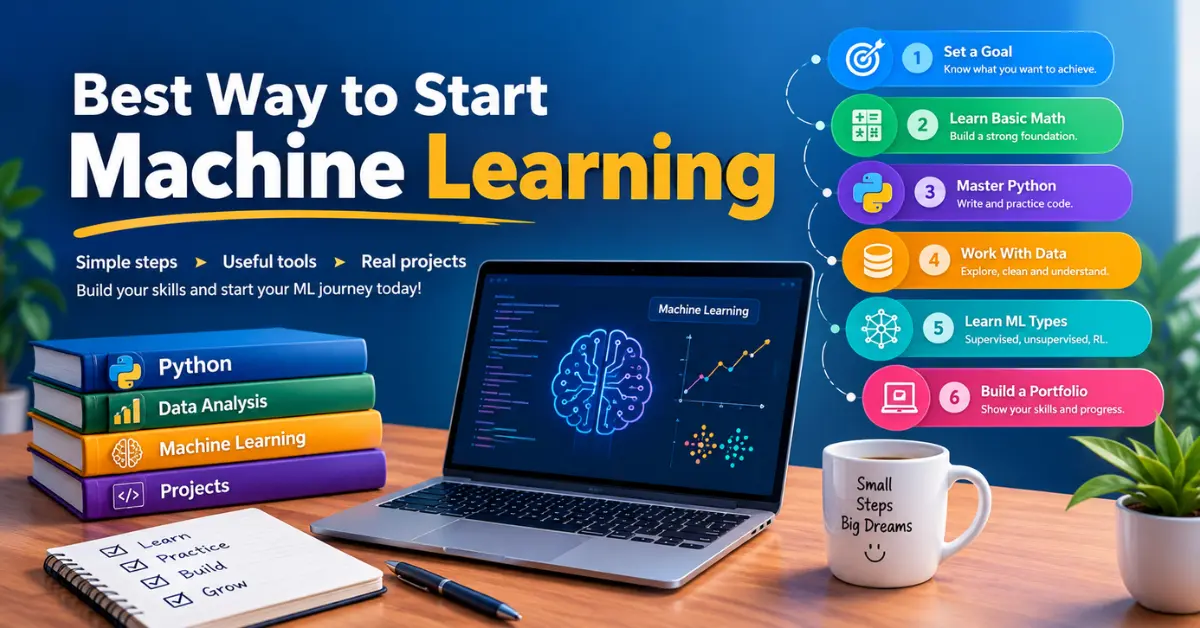
The Best Way to Start Machine Learning, Is to begin with the basics and learn one step at a time. You do not need to be an expert in math or programming to get started. First, understand what machine learning is, learn basic Python, and practice working with data. Then, explore simple machine learning models and build small projects to improve your skills. With regular practice and the right learning plan, you can understand how machines learn from data and solve real-world problems. You start your machine learning journey with confidence, even if you are a complete beginner.
Understand What Machine Learning Is
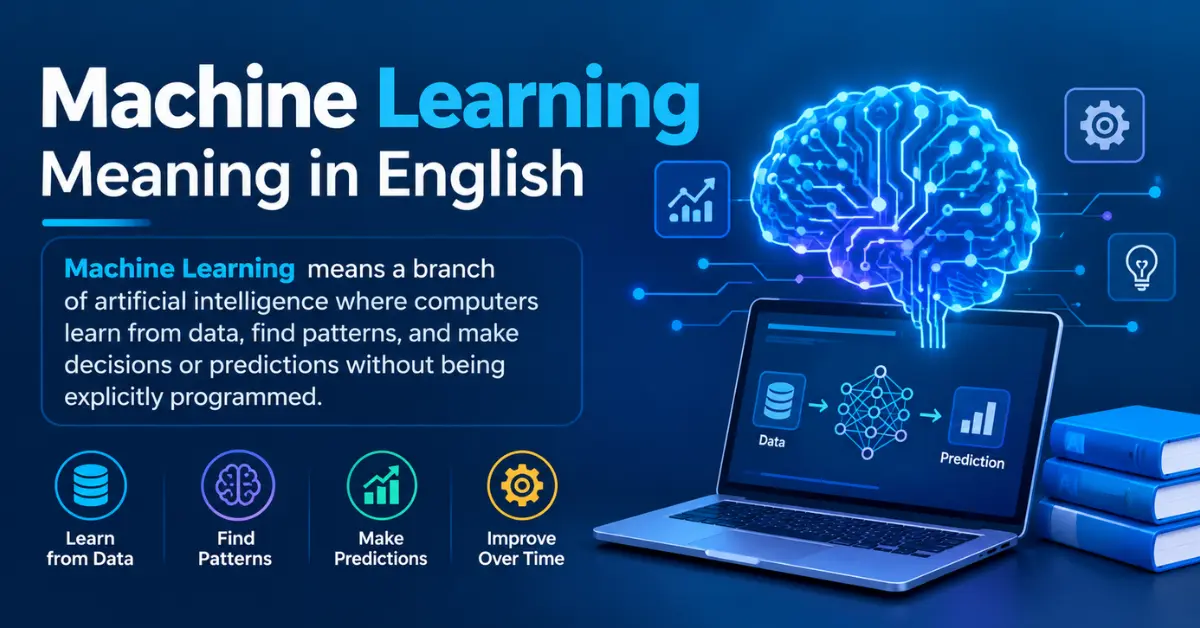
Machine learning is a part of artificial intelligence that helps computers learn from data and improve their results without being told every step. It allows computers to find patterns, make predictions, and solve different problems. For example, YouTube suggests videos based on what you watch, and email services can detect spam messages. These are common examples of machine learning in daily life. Before learning machine learning, you should understand how it works and why people use it. Start by exploring simple examples and learning how computers use data to make decisions. This basic knowledge will help you understand more advanced topics as you continue your learning journey.
Set a Clear Learning Goal
Setting a clear learning goal helps you stay focused and understand what you want to achieve in machine learning. Follow these simple steps to make your learning journey easier.
- Choose Your Purpose: Decide why you want to learn machine learning, such as building projects, improving your skills, or preparing for a future job.
- Start With Small Goals: Begin with simple tasks, like learning Python basics or understanding how computers use data.
- Make a Study Schedule: Set aside 30 minutes to one hour each day to learn and practice new skills.
- Track Your Progress: Write down what you learn each day and check how much you have improved.
- Practice Regularly: Try small coding exercises and simple projects to turn your knowledge into practical skills.
- Be Patient: Do not rush to learn everything at once. Focus on one topic before moving to the next.
A clear learning goal will help you stay motivated, manage your time, and build machine learning skills step by step.
Learn the Basic Math You Need
Basic math helps you understand how machine learning models work and make predictions. Start with these important topics:
- Basic Algebra: Learn simple equations and variables.
- Statistics: Understand averages, percentages, and data patterns.
- Probability: Learn how to measure the chance of an event.
- Graphs: Practice reading charts and understanding data.
- Vectors: Learn the basics of numbers arranged in groups.
Learning these basic math skills will make machine learning easier to understand and practice.
Learn Python Programming
Python is one of the best programming languages for beginners who want to learn machine learning. It is easy to read, simple to understand, and widely used to build machine learning models. Start by learning basic concepts such as variables, data types, lists, loops, and functions. Practice writing small programs to understand how Python works. You can also use free tools like Google Colab to write and run Python code without installing software on your computer. Once you understand the basics, you can move on to useful libraries such as NumPy, Pandas, and Scikit learn. Regular practice will help you build the programming skills needed to start machine learning projects.
Get Comfortable Working With Data
Data is an important part of machine learning because computers use it to find patterns and make predictions. Follow these simple steps to learn how to work with data.
- Understand Data: Learn how information is stored in rows and columns.
- Learn Pandas: Use Pandas to organize and manage data.
- Use NumPy: Practice working with numbers and calculations.
- Create Charts: Use simple graphs to understand data patterns.
- Clean Data: Learn to find missing values and remove duplicate records.
Practicing with data will help you prepare for building your first machine learning model.
Study the Main Types of Machine Learning
Machine learning has different types, and each type helps computers solve problems in a special way. Beginners should understand these three main types:
- Supervised Learning
- Unsupervised Learning
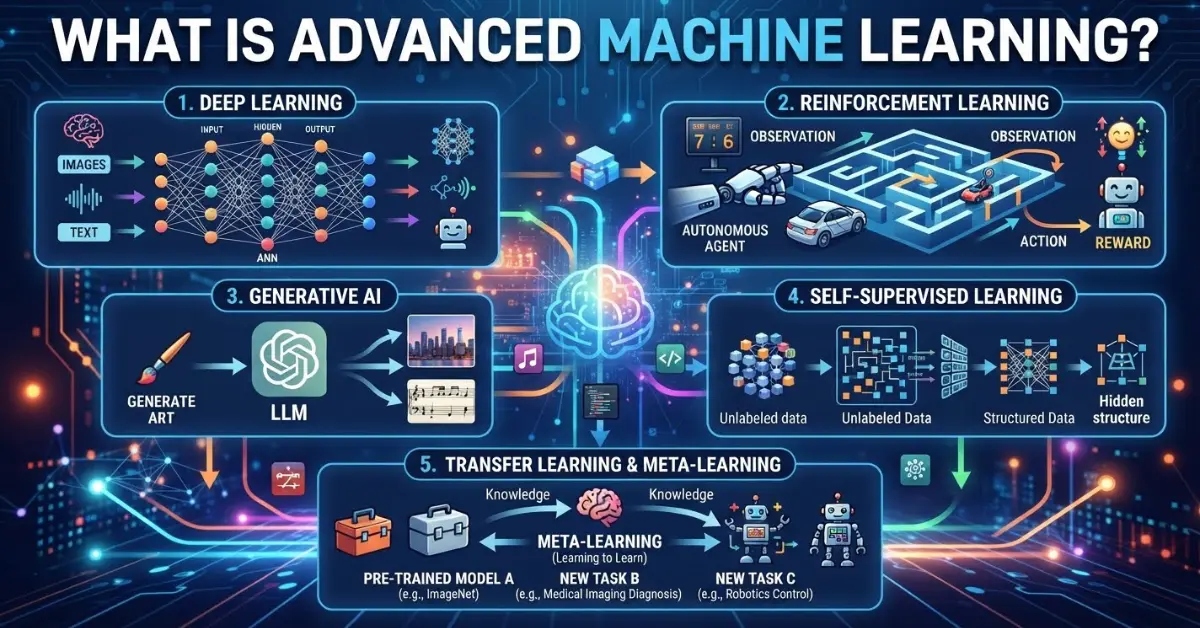
- Reinforcement Learning
Understanding these three types will help you choose the right machine learning method for different problems.
Create a Machine Learning Portfolio
A machine learning portfolio shows your skills and projects to teachers, employers, and other learners. Follow these simple steps to create one:
- Upload Your Projects: Share your machine learning projects on GitHub.
- Explain Your Work: Describe what each project does and how you built it.
- Add Your Code: Include clean, easy-to-understand code.
- Show Your Results: Share the predictions, charts, or outcomes of your projects.
- Keep Improving: Add new projects as you learn more skills.
A good portfolio helps you demonstrate your machine learning knowledge and track your progress as a learner.
Common FAQs About the Best Way to Start Machine Learning
Here are Some FAQs the Best Way to Start Machine Learning:
Can I learn machine learning on my own?
Yes, you can learn machine learning on your own through free online courses, tutorials, and hands-on practice.
How much time does it take to learn machine learning?
It may take three to six months to understand the basics if you study regularly and practice consistently.
Do I need an expensive computer for machine learning?
No, a basic computer is enough for beginner projects. You can also use Google Colab to run code online.
Which website is best for machine learning practice?
Kaggle is a useful platform for practicing with datasets, completing exercises, and exploring beginner projects.
Can I learn machine learning without a computer science degree?
Yes, a computer science degree is not required. You can develop machine learning skills through self study and practical projects.
What is the difference between machine learning and deep learning?
Machine learning helps computers learn from data, while deep learning uses multi layered neural networks to learn complex patterns.
How can I check my machine learning knowledge?
Test your skills by solving new problems, explaining your model’s results, and building projects without copying complete tutorials.
What should I learn after basic machine learning?
After learning the basics, explore neural networks, deep learning, and natural language processing based on your interests.
Conclusion
The best way to start machine learning is to follow a simple learning plan and practice regularly. Begin with basic math, learn Python, understand data, and explore different machine learning methods. As you improve, work on small projects and create a portfolio to show your skills. Remember, you do not need to learn everything in one day. Take small steps, learn from your mistakes, and keep practicing. With patience and effort, you can build a strong foundation in machine learning and move toward more advanced topics. The best time to start learning is today, so choose your first project and begin your journey!